Machinery Service for Demanding Environments
Heavy Equipment Repair in Yoakum for construction and industrial machinery experiencing engine problems, hydraulic failures, or performance decline affecting project timelines
Construction and industrial equipment operating in demanding environments develops specific failure patterns related to dust exposure, hydraulic stress, and continuous high-load operation that differ from typical vehicle maintenance. L&R Truck & Trailer Repair provides heavy equipment repair services across Yoakum and South Texas, addressing diesel engine issues, brake system wear, electrical malfunctions, and hydraulic component failures on machinery used by contractors and industrial operators. Experience with diesel-powered equipment in harsh conditions informs repair approaches focused on durability and minimizing project disruptions caused by unexpected downtime.
The service handles engine diagnostics and repairs, brake maintenance, electrical system troubleshooting, and hydraulic-related component service that restores equipment to functional operating condition. Preventive maintenance programs identify wear patterns and component degradation before they cause complete failures, reducing emergency repairs and the costly project delays that result when critical machinery breaks down during active construction phases.
Request a maintenance evaluation to assess current equipment condition and develop a service schedule that prevents breakdowns during critical project periods.
What Heavy Equipment Service Actually Accomplishes
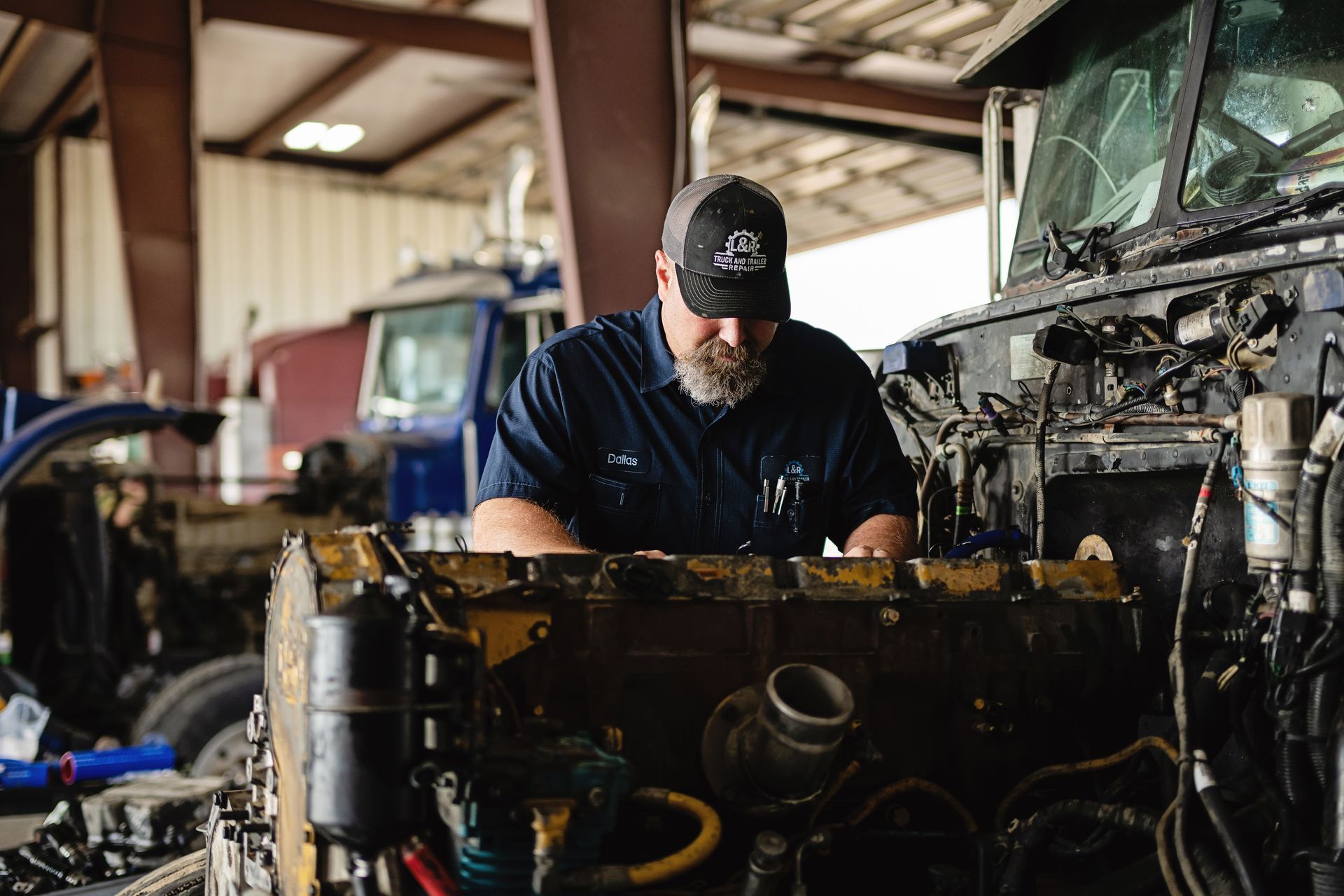
Heavy equipment repairs begin with diagnostics that evaluate engine performance parameters, hydraulic system pressure and response, electrical circuit integrity, and brake system function under the specific load conditions equipment faces during operation. Engine work addresses power loss from air filtration problems, fuel system contamination, or cooling system inadequacy that causes overheating under sustained load. Hydraulic service involves testing pressure output, inspecting hoses and seals for leakage, and evaluating cylinder response that affects implement control and lifting capacity.
Once service is completed, equipment delivers consistent power output without the hesitation or derating that indicated engine problems, hydraulic systems respond smoothly without jerky movements or slow cycle times, and operators notice elimination of warning indicators or abnormal sounds that suggested developing failures. The machinery operates reliably through full work shifts without overheating, loss of hydraulic function, or electrical faults that previously interrupted productivity and threatened project schedules.
Mobile service options allow certain repairs and preventive maintenance to be performed directly at construction sites or equipment yards, reducing transportation costs and keeping machinery available for operation with minimal interruption. Complex repairs requiring specialized tools, precision measurement, or component disassembly are handled in shop facilities where proper service can be performed without environmental contamination or safety concerns present at active job sites.
Questions Contractors Ask About Equipment Service
Equipment owners and project managers throughout the region need clear information about service timing, maintenance value, and repair decisions that affect both immediate costs and long-term operating expenses.
What does preventive maintenance actually prevent on heavy equipment?
Scheduled maintenance identifies worn filters, degraded fluids, developing leaks, and components approaching failure before they cause breakdowns, allowing planned service during non-critical periods rather than emergency repairs that halt projects and incur premium costs for expedited parts and after-hours labor.
How does dust exposure in South Texas affect heavy equipment operation?
Dust intrusion clogs air filters, contaminates hydraulic systems, accelerates wear on engine components, and causes electrical connection corrosion, making frequent filter changes and sealed component inspections essential for equipment operating in dry, dusty construction or agricultural environments.
When should hydraulic problems be addressed on construction equipment?
Address hydraulic issues immediately when you notice slow implement movement, jerky operation, visible leaks, or unusual sounds from pumps or motors, as continued operation with contaminated or low fluid levels causes accelerated wear and catastrophic component failure that requires expensive replacement rather than simple repair.
Why does engine performance decline gradually on heavy equipment?
Performance degradation typically results from progressive issues like restricted air flow from clogged filters, reduced cooling efficiency from radiator blockage, or fuel system contamination that limits power output, with problems becoming severe enough to notice only after equipment has been operating below specification for extended periods.
What experience level matters when selecting heavy equipment repair providers?
Providers with hands-on experience maintaining equipment under actual job site conditions understand the difference between repairs that hold up under continuous high-load operation versus approaches adequate for lighter-duty use, leading to service decisions that prioritize durability appropriate for demanding applications.
L&R Truck & Trailer Repair applies practical repair standards developed through real-world equipment operation, with service options designed to minimize project disruptions and maximize machinery reliability. Schedule maintenance or repair service by calling (361) 649-9070 to discuss current equipment condition and service timing that aligns with project demands.