Structural Integrity for Road-Ready Equipment
Trailer Repair in Yoakum for commercial trailers showing structural damage, lighting failures, brake wear, or suspension problems affecting road compliance
Trailer repairs at L&R Truck & Trailer Repair address structural damage, welding needs, lighting system failures, brake service, and suspension component wear that affects safety and regulatory compliance across Yoakum and South Texas. The service supports owner-operators, fleet managers, and commercial transportation companies managing equipment that must meet DOT standards and operate reliably under loaded conditions. Thorough inspections identify developing issues like cracked frames, worn brake components, or corroded wiring before they escalate into major breakdowns or failed roadside inspections.
Common trailer problems include structural cracks from repeated loading cycles, brake system deterioration from weather exposure, suspension wear from heavy loads, and lighting failures caused by vibration and moisture intrusion. Each issue threatens either safety, legal compliance, or operational reliability, making timely repairs essential for avoiding citations, accidents, or equipment being placed out of service during critical delivery periods.
Schedule a trailer inspection to evaluate current condition and address issues before they result in roadside citations or equipment failures during loaded operation.
What Changes After Trailer Service Completes
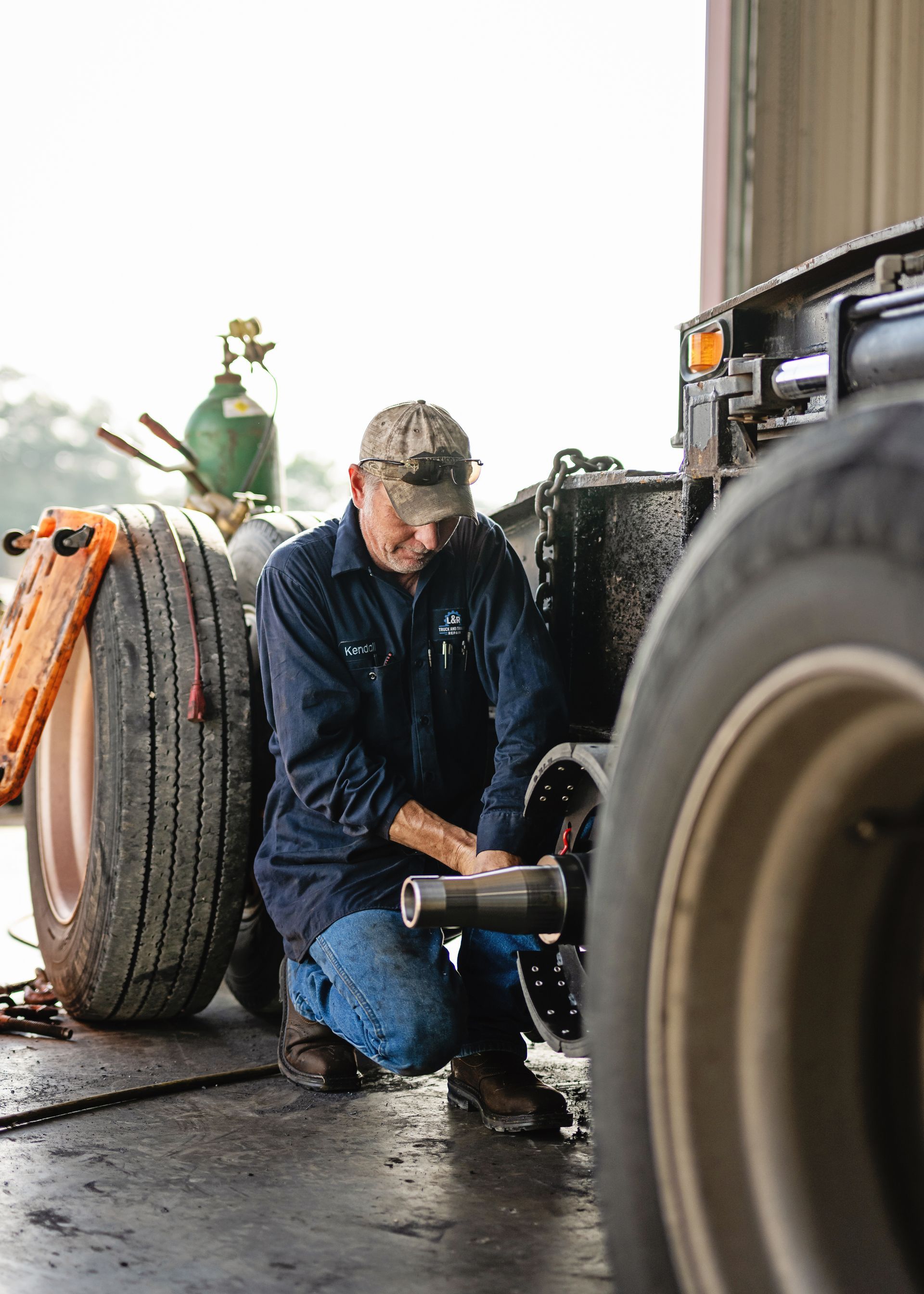
Trailer service begins with visual and functional inspections covering frame integrity, brake adjustment and component wear, lighting circuit continuity, suspension mounting points, and door or ramp operation. Structural welding repairs cracks in the frame, cross-members, or mounting brackets using techniques appropriate for the metal thickness and stress loads involved. Brake service involves adjusting automatic slack adjusters, replacing worn drums or shoes, repairing air lines, and testing system pressure to confirm proper function across all axles.
Once repairs are finished, trailers pass DOT lighting and brake inspections without deficiencies, structural cracks no longer propagate under load, suspension components eliminate the bouncing or uneven tire wear that indicated failure, and all safety systems function as required for legal road operation. You'll notice smoother towing, elimination of rattles or squeaks from loose components, and confidence that the equipment won't be flagged during weigh station inspections or roadside checks.
The service includes post-repair testing to verify brake balance, lighting visibility, and structural soundness under simulated load conditions. Mobile repair options are available for certain issues like lighting repairs or brake adjustments that can be completed without specialized shop equipment, while structural welding and major suspension work requires controlled shop environments for quality and safety.
Answers to Frequent Trailer Service Questions
Commercial operators managing trailers across South Texas often need clarification about inspection requirements, repair timing, and what quality workmanship actually involves for equipment under constant use.
What does a thorough trailer inspection actually evaluate?
Inspections assess frame integrity for cracks or corrosion, brake component wear and adjustment, suspension bushing condition, lighting function, tire wear patterns, and door or ramp operation to identify current failures and predict components approaching end of service life.
How do brake problems develop on commercial trailers in this region?
Brake wear accelerates from frequent stops, dust intrusion in dry conditions, and moisture exposure during humid periods, causing uneven shoe wear, corroded drums, and air system leaks that reduce braking effectiveness and create compliance issues during inspections.
When should structural welding be performed on trailer frames?
Address structural cracks immediately when discovered, as continued operation under load causes cracks to propagate rapidly through frame members, eventually requiring complete section replacement rather than localized repair.
Why does lighting failure happen so frequently on trailers?
Trailer lighting systems face constant vibration, moisture intrusion, and connection corrosion that interrupt circuits, with problems often developing in wiring harnesses, ground connections, or bulb sockets rather than the bulbs themselves.
What separates quality trailer welding from inadequate repairs?
Quality welding uses appropriate filler materials, achieves full penetration on structural members, and follows procedures that prevent heat distortion or brittleness, ensuring repairs hold under the cyclic stress trailers experience during loaded operation over rough roads.
L&R Truck & Trailer Repair maintains trailers to the same standards applied to their own fleet equipment, with workmanship focused on reliability and compliance rather than temporary fixes. Reach out at (361) 649-9070 to discuss current trailer condition or arrange service that addresses developing issues before they cause operational disruptions.